Introduction
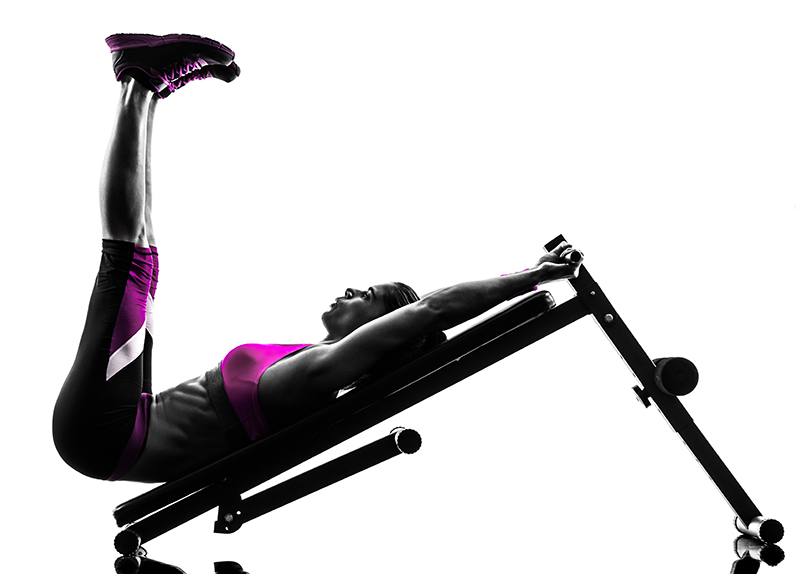
Lower ab workouts are essential for building a strong and stable core, which plays a vital role in posture, balance, and overall fitness. However, targeting the lower abs can be challenging, as many exercises focus more on the upper abs. This article will explore five effective lower ab workouts to help you achieve a more defined and powerful core. These workouts are backed by scientific research and focus on isolating and engaging the lower abdominal muscles for maximum results.
The Importance of Lower Ab Workouts
Focusing on the lower abs is crucial not only for aesthetic reasons but also for functional fitness. The lower abs support your spine, improve your posture, and stabilize your pelvis. Research suggests that a strong core can reduce the risk of injury, especially in sports and physical activities that involve quick movements and heavy lifting.
Categories of Lower Ab Workouts
When it comes to lower ab workouts, exercises can be divided into three main categories:
- Bodyweight Exercises rely on your body’s weight for resistance, making them accessible and equipment-free.
- Weighted Exercises: Using additional resistance such as dumbbells or resistance bands to enhance the intensity.
- Stability and Balance Exercises focus on core stability while engaging the lower abdominal muscles for balance.
Now, let’s dive into five highly effective lower ab workouts that fall into these categories.
1. Reverse Crunches
How to Perform:
- Lie on your back with your hands at your sides and your knees bent at a 90-degree angle.
- Lift your hips off the floor by curling your pelvis toward your rib cage, engaging your lower abs.
- Slowly lower your hips back down without letting your feet touch the floor.
Pros: - It directly targets the lower abs.
- Requires no equipment, making it easy to do anywhere.
Cons: - It may strain the lower back if not performed with proper form.
2. Leg Raises
How to Perform:
- Lie flat on your back with your legs extended.
- Slowly lift your legs until they form a 90-degree angle with your torso.
- Lower them back down without touching the floor to maintain tension on your lower abs.
Pros: - Great for isolating the lower abs.
- Improves flexibility in the hips.
Cons: - It can put pressure on the lower back if done improperly.
- It may be too challenging for beginners.
3. Mountain Climbers
How to Perform:
- Start in a plank position with your arms straight and your body in a straight line.
- Quickly alternate bringing one knee to your chest while keeping your core engaged.
- Continue in a running motion, keeping your abs tight throughout the exercise.
Pros: - Engages the lower abs while offering a cardio component.
- Excellent for building endurance.
Cons: - Requires good form to avoid strain on the shoulders and wrists.
4. Flutter Kicks
How to Perform:
- Lie on your back with your hands underneath your hips.
- Lift both legs slightly off the ground and flutter them up and down in small, quick motions.
- Keep your core tight and avoid letting your lower back arch.
Pros: - Increases lower ab endurance.
- It can be easily adjusted for difficulty by increasing speed.
Cons: - It may cause discomfort in the lower back if not performed correctly.
- Does not engage other core muscles as much as some compound exercises.
5. Plank to Knee Tuck
How to Perform:
- Start in a plank position with your hands under your shoulders.
- Bring one knee toward your chest while keeping the rest of your body steady.
- Return to the starting position and repeat with the other knee.
Pros: - Combines core stability and lower ab activation.
- It helps improve balance and overall core strength.
Cons: - Requires a certain level of upper body strength.
- It can be difficult for beginners to maintain form over multiple repetitions.
Pros and Cons of Lower Ab Workouts
Pros:
- Strengthens core stability: Lower ab workouts contribute to better balance and a stable core, essential for functional fitness.
- Improves posture: Strengthening the lower abs helps maintain proper alignment, reducing the risk of back pain.
- Enhances athletic performance: A strong core is vital for sports, especially those involving quick, dynamic movements.
- Aesthetic benefits: Targeting the lower abs can help create a defined, leaner midsection.
Cons:
- Risk of injury: Many lower ab workouts require proper form to avoid strain on the lower back and hip flexors.
- Progression challenges: Isolating the lower abs can be difficult for beginners, and results may take time to appear without proper technique and consistency.
- Equipment limitations: While many lower ab workouts are bodyweight exercises, some individuals may need additional resistance or equipment to see significant results.
Scientific Backing for Lower Ab Workouts
According to research published in the Journal of Strength and Conditioning Research, exercises like reverse crunches and leg raises significantly activate the lower abdominal muscles compared to traditional ab exercises like sit-ups. Engaging the lower abs in stability exercises, such as planks and knee tucks, was also found to contribute to better functional fitness and injury prevention.
Conclusion
Incorporating these five proven lower ab workouts into your routine can help you build a stronger, more defined core. As with any exercise program, consistency and proper form are key. Remember to focus on engaging your core muscles and avoid compensating with your lower back or hip flexors.